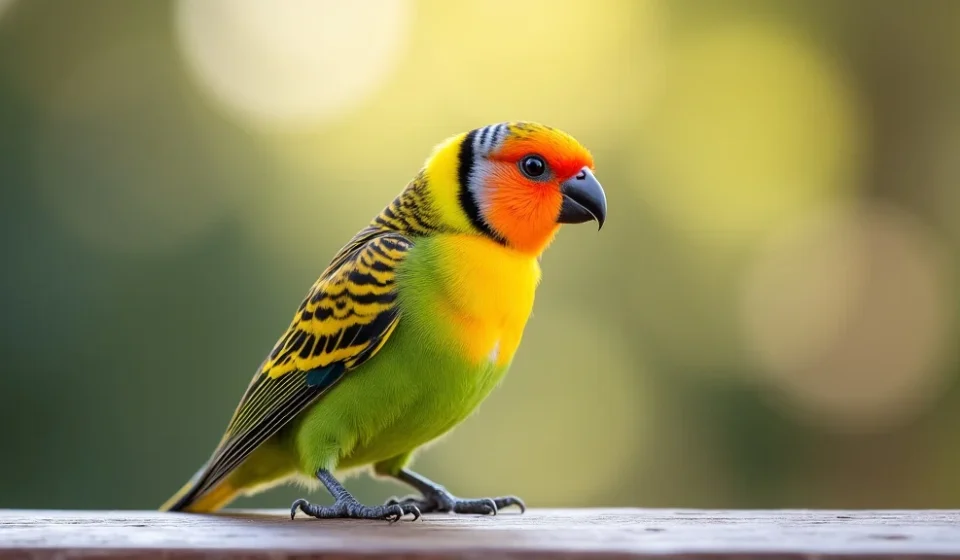

Picture this: It’s Saturday morning, and your furry friend, a playful Labrador, is running low on their favorite kibble. Or maybe you’re realizing that your colorful parakeet has run out of tasty treats and needs fresh, stimulating toys. The stress of running out of essential items is a feeling many pet owners know well. Finding the right quality bird and pet supplies can make a huge difference in the lives of your beloved companions. This blog post will explore how to choose the best products for your animals and the benefits of providing them with the highest standard of care. You’ll learn what to look for when choosing food, toys, and other essentials, as well as how these choices impact your pet’s health and happiness. By the end, you’ll be able to make informed decisions that enhance your pet’s well-being and strengthen your bond.
Key Takeaways
- Learn how to choose healthy and nutritious food for your pets.
- Discover the best toys and enrichment items for their mental stimulation.
- Explore the importance of safe and comfortable habitats.
- Understand the impact of product quality on your pet’s health.
- Find out how to identify reputable brands and suppliers.
- Discover practical tips for maintaining your pet’s supplies.
Choosing the Right Quality Bird and Pet Food
Nutrition is the cornerstone of your pet’s health. What they eat directly affects their energy levels, coat, and overall well-being. Selecting the proper food isn’t just about picking a random bag off the shelf; it’s a critical decision that influences their lifespan and happiness. Every pet has specific dietary requirements, depending on their species, breed, age, and any existing health issues. Therefore, becoming well-informed about the components of various food options is paramount. Understanding the role of different ingredients and how they contribute to a balanced diet will help you make the best choices for your pets. By paying close attention to the ingredient list and the nutritional content of their food, you will provide them with a foundation for a healthy life.
Understanding Nutritional Needs
Different types of pets have different nutritional requirements. A dog needs a balanced diet that includes protein, carbohydrates, and fats. Birds, on the other hand, require a specific mix of seeds, fruits, vegetables, and sometimes pellets to ensure they are getting all the vitamins and minerals they need. Small mammals, like hamsters or guinea pigs, thrive on a diet of pellets, fresh greens, and occasional treats. Recognizing these differences is the first step toward providing the optimal nutrition for your pet. Looking for foods specifically formulated for your pet’s needs helps ensure they get the right nutrients in the right proportions. Be mindful of the labels, ingredients, and any added supplements. The ideal food supports their overall health and vitality.
- Dogs: Need a diet high in protein for muscle development, along with fats and carbohydrates for energy. Look for foods that list meat, such as chicken, beef, or fish, as the primary ingredients.
- Cats: Require a diet rich in protein because they are obligate carnivores. Their food should be primarily meat-based, with moderate amounts of fat and limited carbohydrates.
- Birds: Benefit from a diet based on a mix of seeds, pellets, fresh fruits, and vegetables. Consider adding supplements to ensure optimal vitamin and mineral intake.
- Small Mammals: Prefer a mix of pellets formulated for their species, fresh hay for digestion, and fresh vegetables for vitamins and minerals.
Reading Food Labels
Reading food labels can be confusing, but it is an essential skill for pet owners. Start by looking at the ingredient list, which should be in descending order by weight. The first few ingredients are the most important. Ensure that the food contains high-quality protein sources, such as real meat or poultry, as the main components. Avoid foods that list generic “meat by-products” as the primary ingredient. Also, pay attention to the nutritional analysis, including the percentage of protein, fat, fiber, and moisture. Consider whether the food contains any artificial colors, flavors, or preservatives. These additives may have a negative effect on your pet’s health. It is often wise to consult with a veterinarian to get recommendations for your specific pet’s needs and to ensure you are selecting a balanced diet.
- Ingredient List Order: Ingredients are listed in order of weight, with the heaviest ingredient first.
- Guaranteed Analysis: This section provides the minimum and maximum percentages of key nutrients.
- AAFCO Statement: This confirms the food meets the nutritional standards established by the Association of American Feed Control Officials.
- Avoid Fillers: Limit foods with excessive grains, corn, soy, and other fillers.
Considering Special Dietary Needs
Some pets have special dietary needs due to health conditions, allergies, or other factors. For example, pets with food sensitivities may require limited-ingredient diets, which include a minimal number of ingredients and often contain novel protein sources like venison or duck. Pets with diabetes require foods low in carbohydrates to help regulate their blood sugar levels. Animals with kidney problems may need diets lower in phosphorus and protein. If your pet has a health condition, consult with your veterinarian to determine the best food options. They can help you create a dietary plan tailored to your pet’s unique needs, contributing to their overall health. There are a variety of specialized foods that are formulated to meet these special requirements, and your veterinarian can guide you in choosing the best one.
- Allergies: Limited-ingredient diets can help identify and manage food allergies.
- Diabetes: Low-carbohydrate foods help regulate blood sugar levels.
- Kidney Issues: Diets lower in phosphorus and protein support kidney function.
- Weight Management: Foods with fewer calories and increased fiber can promote healthy weight.
- Age: Foods specially designed for puppies, kittens, seniors, or adults can meet their specific needs.
Providing Stimulating Toys and Entertainment
Toys and entertainment are more than just fun for your pets. They are crucial for their mental and physical well-being. Providing enriching toys keeps them occupied, helps prevent boredom, and promotes natural behaviors like playing, foraging, and problem-solving. A well-stocked environment with various toys is an investment in your pet’s health, helping them stay active, reduce stress, and maintain cognitive function. As a pet owner, it is a priority to offer stimulating activities that help keep them engaged and happy. The selection of toys should match your pet’s species, personality, and physical capabilities to provide the best possible enrichment.
Selecting the Right Toys
The best toys vary depending on the pet. Dogs enjoy chew toys, fetch toys, and puzzle toys. Cats are often interested in toys that mimic prey, like feather wands or laser pointers. Birds love toys they can chew, swing on, or forage in. Small mammals enjoy tunnels, wheels, and treat-dispensing toys. Consider your pet’s size, age, and temperament when choosing toys. Safety is also vital. Ensure that toys are made from non-toxic materials and are the right size to prevent choking hazards. Regularly inspect toys for wear and tear and replace them as needed to prevent injuries. Remember to introduce new toys gradually and rotate them often to keep your pets engaged.
- Dogs: Chew toys, balls, frisbees, puzzle toys, and interactive toys.
- Cats: Feather wands, laser pointers, interactive toys, and scratching posts.
- Birds: Chew toys, foraging toys, swings, and bells.
- Small Mammals: Tunnels, wheels, chew toys, and foraging toys.
The Importance of Mental Stimulation
Mental stimulation is essential for your pets. It helps prevent boredom, reduces stress, and keeps their minds sharp. Puzzle toys that require pets to work for treats or food are a great way to provide mental enrichment. Interactive toys that encourage play and problem-solving can keep them entertained. Training sessions that teach new tricks or commands stimulate your pet’s mind and strengthen your bond. Additionally, rotating toys regularly can keep things exciting and prevent your pet from losing interest. Engaging your pet’s mind helps them maintain good cognitive function and overall well-being. Consider creating a stimulating environment with a variety of activities to ensure that your pet has plenty of mental exercise.
- Puzzle Toys: These challenge pets to solve problems and earn rewards.
- Interactive Toys: These encourage play and engagement between you and your pet.
- Training: Learning new commands stimulates their minds and reinforces your bond.
- Environmental Enrichment: Modify your pet’s environment by rotating toys, adding climbing structures, or providing foraging opportunities.
Safety Considerations and Durability
Safety should be a key concern when choosing toys for your pets. Always ensure that toys are made from safe, non-toxic materials. Avoid toys with small parts that can be chewed off and swallowed, which could cause choking hazards or intestinal blockages. Check the toys regularly for damage and wear and tear.
Statistic: According to the American Animal Hospital Association, 25% of pet injuries result from unsafe toys or toy-related accidents.
Creating a Safe and Comfortable Habitat
The environment your pet lives in impacts their well-being. A comfortable habitat should provide a secure place where your pet can relax, eat, sleep, and play. The ideal habitat varies greatly depending on the species. A dog needs a cozy bed and a safe space to retreat to, while a bird requires a spacious cage with appropriate perches and toys. A rabbit needs a large enclosure with bedding, a place to hide, and access to food and water. Whether you have a dog, cat, bird, or small mammal, considering your pet’s need for a safe space is essential. Providing the right habitat will keep your pet healthy, happy, and content.
Housing Requirements for Different Pets
Each type of pet has specific requirements for their living space. Dogs need a comfortable bed in a safe and quiet area. Cats thrive in environments with vertical space, scratching posts, and cozy resting places. Birds require a spacious cage with a variety of perches, toys, and access to fresh air and sunlight (indirectly). Small mammals, like hamsters or guinea pigs, need a properly sized cage with appropriate bedding, a hideaway, and space for exercise. The size of the enclosure should always be sufficient for your pet to move freely and engage in natural behaviors. The habitat should also include areas for eating, drinking, sleeping, and playing. Proper housing is crucial for your pet’s health and happiness. It provides them with a space of their own that they can feel safe and secure in.
- Dogs: A comfortable bed, a safe space, and plenty of room to move around.
- Cats: Vertical space, scratching posts, and cozy hiding places.
- Birds: A spacious cage with perches, toys, and adequate ventilation.
- Small Mammals: Appropriately sized cage with bedding, a hideaway, and room for exercise.
Ensuring Cleanliness and Hygiene
Maintaining a clean and hygienic environment is vital for your pet’s health. Regularly clean and disinfect their habitat to prevent the buildup of bacteria, parasites, and odors. For dogs, this means regularly cleaning their bedding and washing their bowls. For cats, clean the litter box daily and replace the litter regularly. Bird cages need to be cleaned at least once a week, and small mammal enclosures should be cleaned according to the needs of the animal, typically once or twice a week. Clean food and water bowls daily. Proper cleaning helps prevent the spread of disease and parasites. Make sure to use pet-safe cleaners and disinfectants. Always rinse thoroughly to ensure all residue is removed to keep your pet’s living space fresh and healthy.
- Regular Cleaning: Clean enclosures and replace bedding regularly.
- Sanitize: Use pet-safe disinfectants to remove bacteria and odors.
- Daily Maintenance: Clean food and water bowls daily.
- Ventilation: Ensure good air circulation to help prevent illness.
Environmental Enrichment in the Habitat
Environmental enrichment within a pet’s habitat is critical for their emotional and physical health. This is the practice of modifying your pet’s environment to promote natural behaviors, reduce stress, and prevent boredom. For dogs, enrichment might involve providing puzzle toys, rotating toys regularly, or creating designated play areas. For cats, it could mean adding climbing structures, scratching posts, or interactive toys. Birds thrive with a variety of perches, swings, and foraging toys. Small mammals can benefit from tunnels, wheels, and treat-dispensing toys. Regularly changing the environment keeps things exciting, prevents boredom, and keeps your pet engaged. Creating enriching surroundings will improve your pet’s quality of life and encourage activity.
Statistic: Studies show that pets living in enriched environments exhibit fewer behavioral problems and improved overall well-being.
Choosing Reputable Brands and Suppliers
Selecting the right brand and the right supplier is an important factor in ensuring the well-being of your pet. There are many companies that offer quality bird and pet supplies, but not all products are made equal. Reputable brands typically use high-quality ingredients, adhere to strict manufacturing standards, and prioritize animal health. Buying from trustworthy suppliers assures you of the product’s safety and effectiveness. Researching brands and suppliers before purchasing your pet’s supplies is a crucial step in ensuring your pet’s well-being and health. By making informed choices, you can feel confident that you are providing the best care for your animal companions.
Researching Brands and Products
Before purchasing any product for your pet, take the time to research the brand and the product itself. Start by looking for brands with a solid reputation. Read online reviews, check ratings from trusted sources, and see what other pet owners say. Investigate the ingredients used in the product. Seek out brands that are transparent about their sourcing and manufacturing practices. Visit the brand’s website to learn more about their values, certifications, and quality control measures. Look for products that meet the standards set by veterinary and pet industry organizations. A little research will go a long way in ensuring that you select safe and effective products for your pet. Being a well-informed consumer is critical.
- Read Reviews: Check online reviews and ratings from reliable sources.
- Investigate Ingredients: Prioritize products with high-quality, natural ingredients.
- Check Certifications: Look for products that meet industry standards.
- Research the Brand: Understand the brand’s values, sourcing, and manufacturing practices.
Identifying Reliable Suppliers
Choosing a reliable supplier is just as important as selecting the right brand. A reliable supplier offers products that are authentic, well-stored, and handled properly. Look for suppliers with a good reputation. Check customer reviews to see what others say about their experience. Make sure that the supplier follows best practices for storage and handling to maintain the product’s quality and safety. Verify that the supplier has a clear return policy. Consider buying from brick-and-mortar stores, established online retailers, or pet specialty shops, which are more likely to carry authentic, high-quality products. It also helps to compare prices and shipping options, but do not sacrifice quality. Choosing a trustworthy supplier ensures your pets receive high-quality supplies.
- Check Customer Reviews: See what other customers say about the supplier’s service and product quality.
- Verify Authenticity: Ensure the products are genuine and not counterfeit.
- Check Storage Practices: Ask how the products are stored and handled.
- Review Return Policies: Understand the supplier’s policies for returns and exchanges.
Understanding Value vs. Cost
When selecting supplies for your pets, it is important to consider the value of a product, not just the cost. While it is always smart to stay within your budget, the cheapest option may not always be the best. Consider the quality of ingredients, the durability of toys, and the overall benefits to your pet. Sometimes, spending a little more upfront on a high-quality product can result in better performance, greater longevity, and ultimately, a better value over time. For example, a chew toy made from durable, non-toxic materials will last longer and be safer for your dog than a cheaper, easily destroyed toy. Evaluate your pet’s specific needs and choose products that offer the best balance of cost and value. Investing in quality bird and pet supplies can actually save you money in the long run.
| Feature | Budget-Friendly Option | Higher-Quality Option |
|---|---|---|
| Food Quality | Generic ingredients, unknown sources | Premium ingredients, known origin |
| Toy Durability | Easily destroyed, potential hazards | Durable, non-toxic materials, long lifespan |
| Potential Health Benefits | Limited, may contain fillers | Supports health, may include supplements |
Common Myths Debunked
Myth 1: All Pet Food is Created Equal
Many people believe that all pet food is the same, but this is far from true. There is a vast difference in the quality of ingredients, the manufacturing processes, and the nutritional value of different brands of pet food. Some brands use low-quality ingredients, such as by-products, fillers, and artificial additives. Others use high-quality ingredients with a focus on nutrition. Choosing the right food is one of the most important decisions you can make to impact the health and vitality of your pet. Always read the labels to assess the ingredients, nutritional content, and brand reputation.
Myth 2: Expensive Brands Are Always Better
While price can sometimes indicate quality, expensive brands are not always the best choice. Some expensive pet food brands spend a lot on marketing and packaging, which increases the cost. The best pet food for your animal will be determined by the ingredients, formulation, and nutritional content, rather than solely by the price. Look at the ingredient list, nutritional analysis, and the brand’s reputation for making the best choice. Price is a factor, but always prioritize quality and the nutritional needs of your pet. Be sure to seek advice from your veterinarian for the best brand for your animal.
Myth 3: All Toys Are Safe
It’s a common misconception that all toys are safe for your pets. Unfortunately, some toys pose serious risks, such as choking hazards, toxic materials, and easy-to-swallow parts. Always check the toy’s construction and materials, and make sure it is safe for your type of pet. Select toys that are appropriate for your pet’s age, size, and chewing habits. Regularly inspect toys for wear and tear, and replace them if necessary. Do not rely on generic information on toy safety. Choose toys made by reputable companies that have a good safety record. Being cautious and informed when choosing toys will help keep your pet safe.
Myth 4: Birds Can Eat Any Seed Mix
While seed mixes may seem appealing to birds, they are often lacking in essential nutrients. Some seed mixes are high in fat and low in other vital nutrients. Birds need a balanced diet of seeds, pellets, fresh fruits, and vegetables to stay healthy. Seed-based diets can lead to deficiencies and health problems. Select a high-quality pellet as the base for your bird’s diet. It is important to supplement your bird’s diet with fresh produce to ensure they get all the necessary vitamins and minerals. Providing variety and balancing the diet ensures a long and healthy life for your bird.
Myth 5: A Clean Cage Means a Healthy Pet
While a clean cage is a must for pet health, it is not the only factor. A healthy pet needs more than just a clean cage to thrive. Provide a balanced diet, stimulating toys, and plenty of exercise to keep them happy and healthy. Mental stimulation is very important. Interactive play and training can keep your pet engaged. Take your pets for regular vet checkups to catch any health problems early. Make sure that you are using good quality supplies for all aspects of pet care. A healthy pet needs a holistic approach that includes nutrition, enrichment, hygiene, and preventive care. This all combines for a happy, thriving pet.
Frequently Asked Questions
Question: How often should I feed my pet?
Answer: Feeding frequency depends on the species, age, and activity level of your pet. Consult with your veterinarian to determine the right feeding schedule.
Question: How can I tell if my pet is overweight?
Answer: You should be able to feel your pet’s ribs without excess fat covering them. If you are unsure, talk to your veterinarian.
Question: Are all pet toys safe for my pet?
Answer: Not all toys are safe. Check for non-toxic materials and appropriate sizing to prevent choking hazards.
Question: How often should I clean my pet’s habitat?
Answer: Regular cleaning is necessary. The frequency depends on your pet, but a general guide is weekly for most pets, and daily for litter boxes.
Question: What should I do if my pet shows signs of illness?
Answer: Consult your veterinarian immediately if your pet shows any signs of illness, such as loss of appetite, lethargy, vomiting, or diarrhea.
Final Thoughts
Providing the best care for your pets requires thoughtful consideration of quality bird and pet supplies. From choosing nutritious food to selecting engaging toys and creating a safe and comfortable habitat, every decision you make impacts their overall well-being. By researching reputable brands, understanding your pet’s individual needs, and prioritizing their health and happiness, you are helping them thrive. Remember, your pets depend on you to make the right choices for them. Explore all of the supplies available in your local stores or online shops. Ensure you have everything your pet needs for a long, happy, and healthy life. Stay committed to improving the lives of your beloved companions.